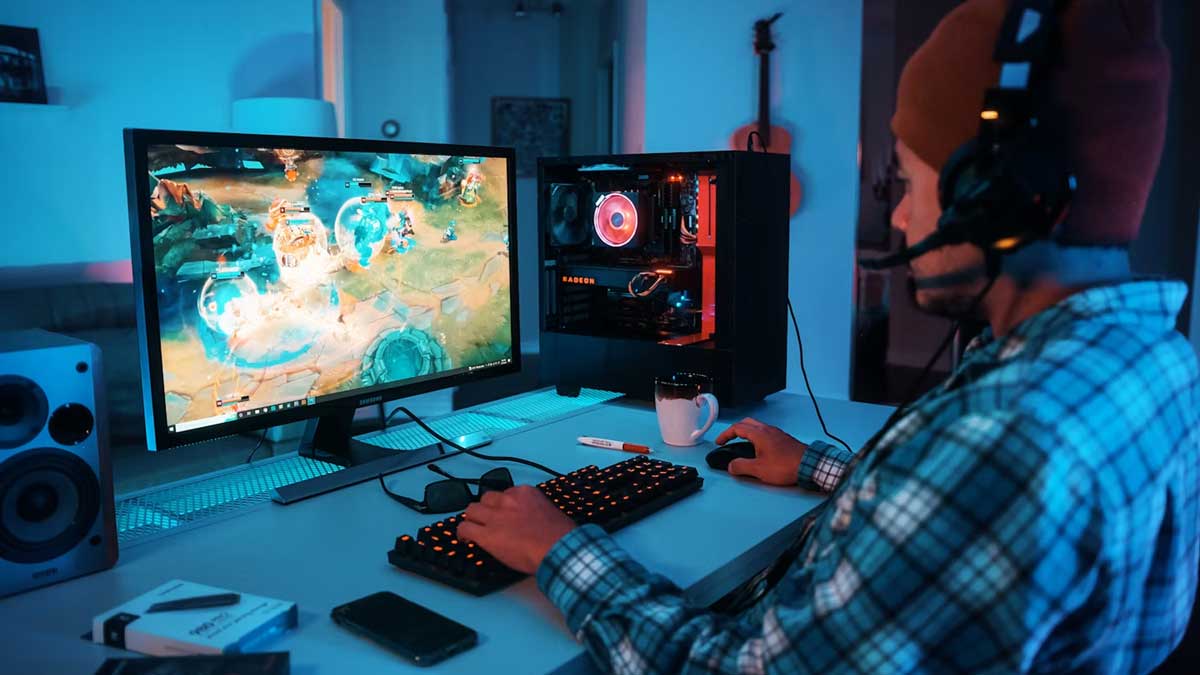
 Photo by Compagnons on Unsplash
What Is Game Art? A Complete Guide to Game Artists and Their Work
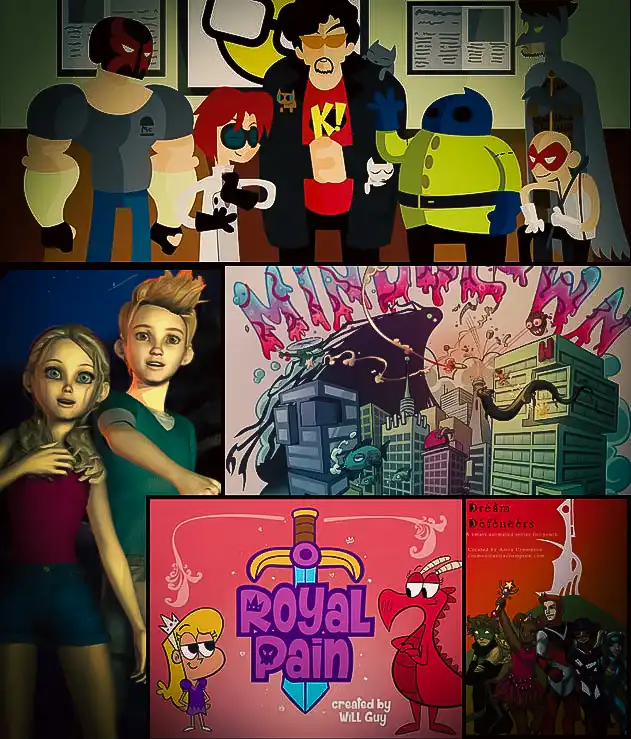
The short answer is: game art is the visual soul of video games. It encompasses every visual element you see on screen — characters, environments, objects, effects, and user interfaces. Game artists are the creative professionals who design, model, texture, and animate these elements, turning abstract ideas into immersive worlds that players can see and interact with.
At VANAS School, we help students understand that game art is not just about making things look pretty — it is about creating experiences. Every visual decision serves the gameplay, the story, and the player's emotional journey.
What Game Art Encompasses
Character Art
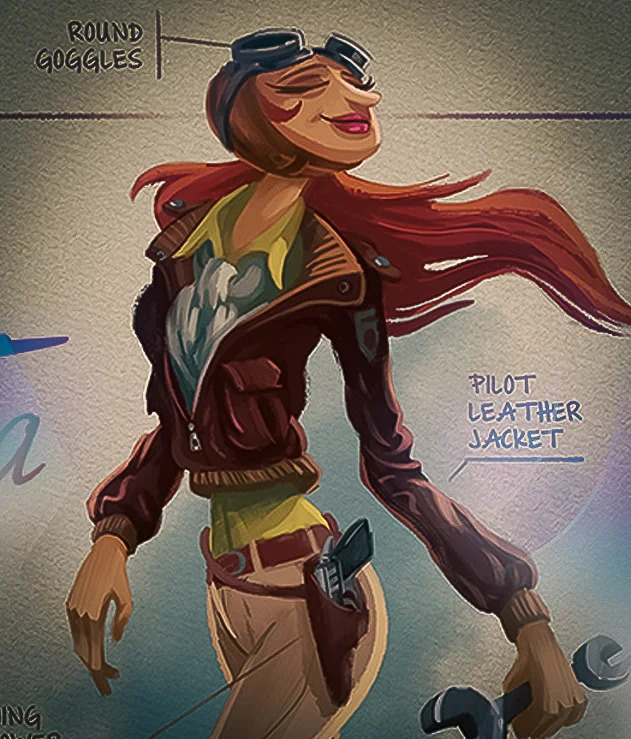
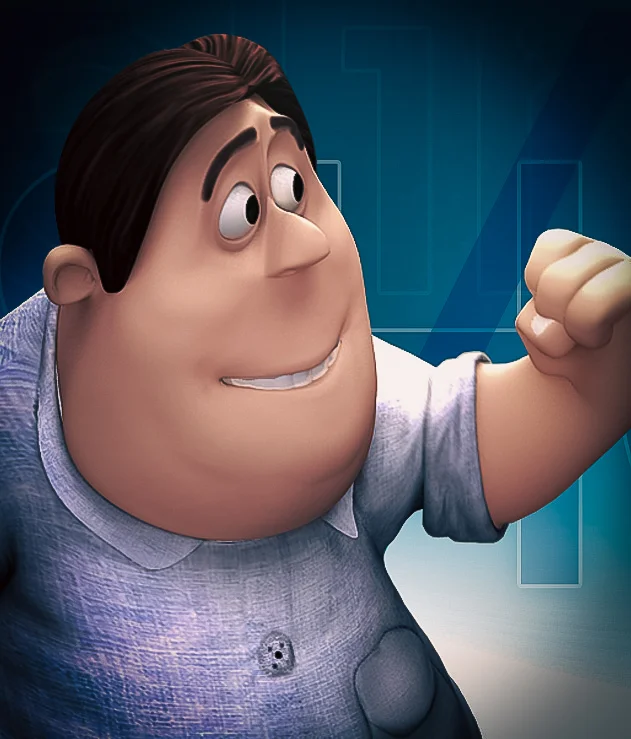
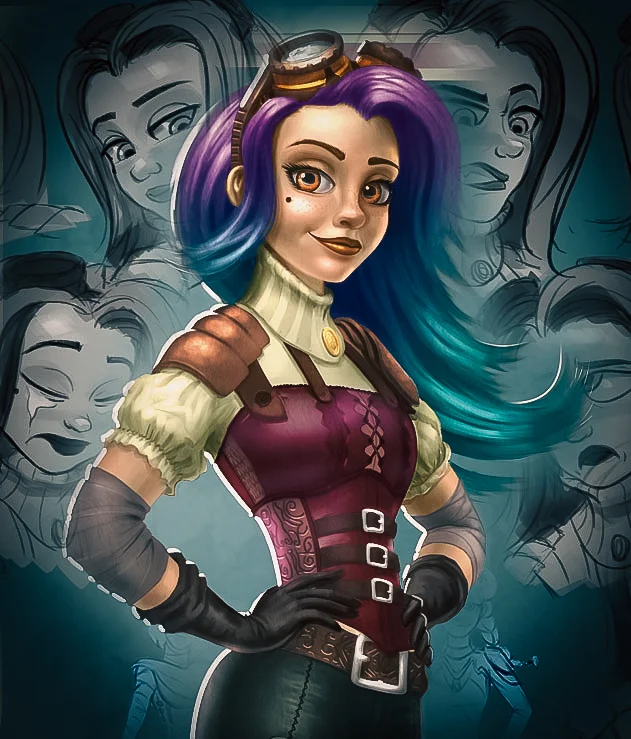
Character artists design, model, and texture the characters that populate game worlds. This includes protagonists, antagonists, NPCs, and creatures. Character artists must balance artistic vision with technical constraints, ensuring their creations look good from all angles and perform well in real-time engines.
Environment Art
Environment artists create the worlds that characters inhabit. This includes landscapes, buildings, interiors, props, and atmospheric effects. Environment artists must consider how spaces guide player movement, create mood, and support the game's narrative.
Concept Art
Concept artists visualize ideas before they are built. They create sketches, paintings, and digital illustrations that define the look and feel of characters, environments, and overall art direction. Concept art is the blueprint for the entire visual style of a game.
UI/UX Art
UI/UX artists design the user interface and user experience elements of a game. This includes menus, HUD elements, icons, and interactive components. Good UI/UX design ensures players can navigate the game intuitively and stay engaged with the experience.
Technical Art
Technical artists bridge the gap between art and programming. They create tools, optimize assets, and solve technical challenges that arise during development. Technical artists ensure that artistic visions can be realized within the constraints of game engines and hardware.
The Game Art Pipeline
Pre-Production
The pre-production phase is where ideas take shape. Concept artists create initial designs, art directors establish the visual style, and the team plans the technical approach. This phase sets the foundation for everything that follows.
Production
During production, artists create the actual assets. Character artists model and texture characters, environment artists build worlds, and technical artists optimize everything for performance. This phase involves constant iteration and refinement.
Post-Production
Post-production involves final polish, optimization, and integration. Artists make final adjustments, fix bugs, and ensure everything works together seamlessly. This phase is crucial for delivering a polished final product.
Skills Every Game Artist Needs
Artistic Fundamentals
Strong fundamentals in drawing, color theory, composition, and anatomy are essential for all game artists. These skills form the foundation for creating believable and engaging visuals, regardless of the specific role.
Technical Proficiency
Game artists must be proficient in industry-standard software like Maya, Blender, Photoshop, Substance Painter, and game engines like Unity and Unreal Engine. Technical skills allow artists to bring their creative visions to life efficiently.
Problem-Solving
Game development is full of challenges. Artists must solve problems creatively, whether it is optimizing assets for performance, finding ways to convey information visually, or adapting to changing project requirements.
Communication
Game artists work closely with designers, programmers, and other artists. Clear communication is essential for ensuring that everyone is aligned on the visual direction and that feedback is implemented effectively.
Adaptability
The game industry is constantly evolving. Artists must be willing to learn new tools, adapt to different art styles, and pivot when project directions change. Flexibility is a key trait for success.
Different Types of Game Artists
2D Artists
2D artists create flat artwork used in games, including sprites, UI elements, textures, and promotional art. They work with software like Photoshop, Illustrator, and specialized 2D animation tools.
3D Artists
3D artists create three-dimensional models, textures, and animations. They work with software like Maya, Blender, and 3ds Max to build characters, environments, and objects that exist in virtual space.
Texture Artists
Texture artists create the surface details that make 3D models look realistic or stylized. They paint textures that define how light interacts with surfaces, adding depth and detail to every asset.
Lighting Artists
Lighting artists set up and adjust lighting within game engines to create mood, guide player attention, and enhance the overall visual experience. Good lighting can transform a good game into a great one.
VFX Artists
VFX artists create visual effects like explosions, magic spells, weather effects, and particle systems. These effects add polish and excitement to games, enhancing the player's experience.
How VANAS School Prepares You for Game Art
VANAS School offers comprehensive programs in game art that cover all aspects of the discipline. Students learn both the artistic fundamentals and the technical skills needed to succeed in the industry.
The curriculum is designed by industry professionals who understand what studios need. Students work on real projects that simulate professional game development, building portfolios that demonstrate their abilities. The school's career services team helps students connect with hiring opportunities and prepare for interviews.
The Business of Game Art
Freelancing
Many game artists work as freelancers, taking on projects from multiple studios. Freelancing offers flexibility and variety, but requires strong self-management and business skills.
Studio Work
Working at a game studio offers stability and the opportunity to work on large-scale projects. Studio artists collaborate with large teams and may specialize in specific areas like character art or environment art.
Indie Development
Some game artists work on independent games, often wearing multiple hats. Indie development offers creative freedom but comes with financial uncertainty and the need to handle many different roles.
Getting Started in Game Art
Build Your Foundation
Start by developing your artistic fundamentals. Practice drawing, study color theory, and learn about composition. These skills are transferable across all areas of game art.
Learn Industry Software
Familiarize yourself with industry-standard tools. Start with free options like Blender and GIMP, then move to professional software as your skills develop.
Create Personal Projects
Build your own games or game assets to demonstrate your skills. Personal projects show initiative and creativity, and they give you something concrete to show potential employers.
Seek Feedback
Share your work with others and seek constructive feedback. Online communities, forums, and local art groups can provide valuable insights and help you improve.
Build a Portfolio
Your portfolio is your most important tool for getting hired. Focus on quality over quantity, and tailor your portfolio to the specific roles you are interested in.
FAQ
Q: Do I need a degree to become a game artist?
A: No. In the game industry, your portfolio matters more than your degree. VANAS School focuses on building a portfolio that demonstrates your skills and gets you hired, regardless of your educational background.
Q: What software should I learn first?
A: Start with free tools like Blender for 3D modeling and GIMP for 2D art. Once you have a solid foundation, you can move to professional software like Maya and Photoshop. VANAS School teaches all industry-standard tools.
Q: How long does it take to become proficient in game art?
A: It depends on your starting point and how much time you dedicate. With consistent practice, you can build foundational skills in 6-12 months. Mastery takes years of continuous learning and practice.
Q: What is the difference between 2D and 3D game art?
A: 2D art is flat and exists in two dimensions, while 3D art exists in three-dimensional space. Both require different skills and software, but they often complement each other in game development.
Q: Can I specialize in one area or should I learn everything?
A: Early in your career, it is beneficial to learn multiple areas to understand the full pipeline. As you progress, you can specialize in the area that best suits your interests and strengths. VANAS School offers specialized tracks for focused learning.
Q: What industries hire game artists?
A: Beyond traditional game studios, game artists work in film, television, architecture, education, healthcare, and many other fields that use interactive media. The skills are highly transferable across industries.
Conclusion
Game art is the visual foundation of video games, encompassing everything from character design to environment creation to user interface. It requires a blend of artistic talent, technical skills, and problem-solving ability. VANAS School provides the training, tools, and industry connections you need to launch a successful career in game art.