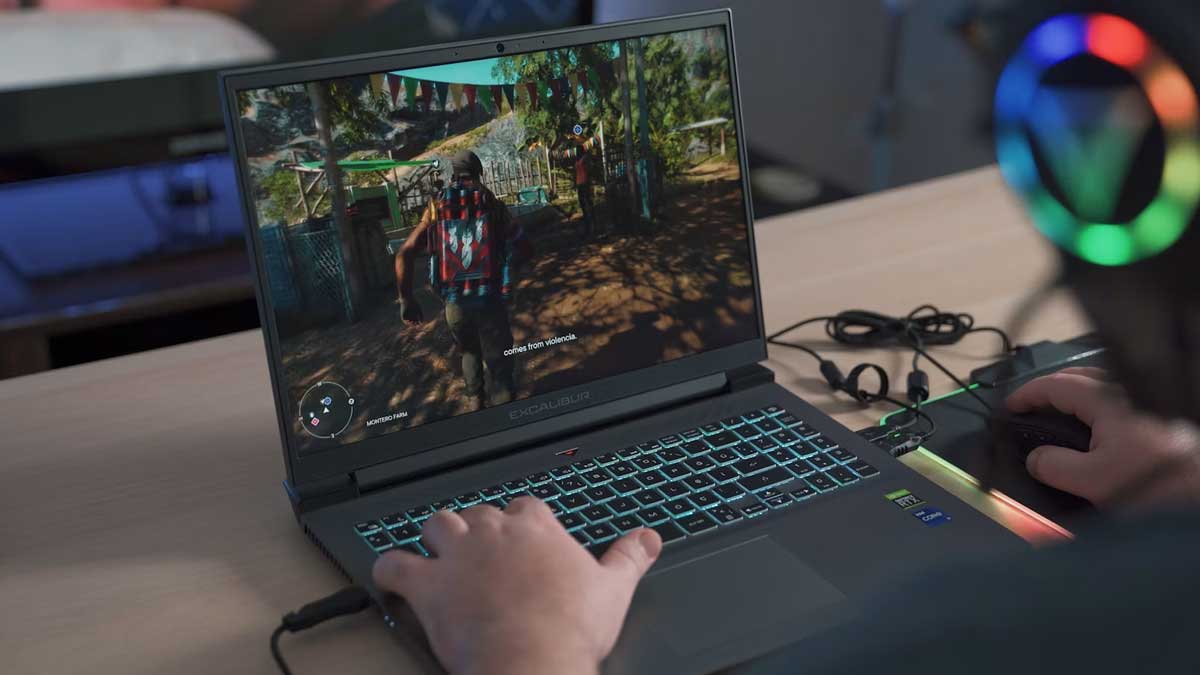
 Photo by Onur Binay on Unsplash
What Does a Video Game Designer Actually Do?
The short answer is: a video game designer shapes the player experience. They design the rules, mechanics, levels, and story that make a game engaging and fun. Game designers work with teams to turn creative ideas into playable experiences, balancing creativity with technical constraints and player expectations.
At VANAS School, we help students understand what game designers actually do — beyond the myths and misconceptions. The role is diverse, collaborative, and constantly evolving, offering opportunities for creative problem-solvers who are passionate about interactive entertainment.
Core Responsibilities of a Game Designer
Designing Game Mechanics
Game mechanics are the rules and systems that govern gameplay. Designers create and refine these mechanics to ensure they are engaging, balanced, and fun. This includes designing combat systems, progression systems, puzzle mechanics, and player interactions.
Level Design
Level designers create the spaces and challenges that players navigate through. They design layouts, place obstacles, control pacing, and guide players through the experience. Good level design balances challenge and reward, teaching players the game while keeping them engaged.
Balancing and Tuning
Designers constantly adjust game parameters to ensure the experience is well-balanced. This includes tweaking difficulty, adjusting reward systems, and fine-tuning player progression. Balancing is an ongoing process that continues throughout development and even after release.
Playtesting and Iteration
Game designers spend significant time playtesting their own work and that of others. They observe players, gather feedback, and iterate on designs based on what they learn. This cycle of testing and refinement is essential to creating a polished game.
Collaboration and Communication
Working with Cross-Functional Teams
Game designers rarely work alone. They collaborate with artists, programmers, producers, and other designers. Effective communication is crucial — designers must clearly articulate their vision and be open to feedback from team members.
Documenting Design Decisions
Designers create documentation that communicates their ideas to the team. This includes design documents, feature specifications, and level descriptions. Clear documentation ensures everyone is aligned on the game's direction.
Participating in Meetings
Regular meetings help keep projects on track. Designers attend stand-ups, design reviews, and planning sessions. These meetings are opportunities to share progress, discuss challenges, and coordinate with other team members.
The Design Process
Concept and Ideation
The design process begins with ideas. Designers brainstorm concepts, explore themes, and define the core experience they want to create. This phase involves research, creativity, and experimentation.
Prototyping
Designers create prototypes to test ideas quickly. Prototypes can be paper-based, digital, or somewhere in between. The goal is to validate concepts before investing significant resources.
Development and Refinement
Once a concept is validated, designers work with the team to develop it into a full feature. This involves detailed planning, implementation, and continuous refinement based on playtesting feedback.
Post-Launch Support
After a game launches, designers may continue working on updates, patches, and new content. They monitor player feedback and metrics to identify areas for improvement.
Skills Every Game Designer Needs
Creative Problem-Solving
Game designers must solve creative challenges daily. Whether it is making a mechanic more engaging or fixing a pacing issue, designers need to think creatively and find innovative solutions.
Communication
Clear communication is essential. Designers must articulate their ideas to team members, present to stakeholders, and collaborate effectively across disciplines.
Analytical Thinking
Designers analyze player behavior, review metrics, and evaluate feedback to make informed decisions. This analytical approach helps ensure designs meet player needs and business goals.
Technical Understanding
While designers do not need to be programmers, understanding the technical constraints and possibilities helps them create realistic and effective designs.
Player Empathy
Successful designers understand what players want and need. They put themselves in the player's shoes and design experiences that are engaging, accessible, and rewarding.
Different Types of Game Designers
Systems Designer
Systems designers focus on the underlying mechanics and rules of a game. They design progression systems, economy models, and gameplay loops that keep players engaged over time.
Level Designer
Level designers create the individual levels or stages that players progress through. They control pacing, challenge, and the flow of gameplay within each area.
Narrative Designer
Narrative designers weave story and gameplay together. They design quests, dialogue systems, and story beats that enhance the player experience.
UI/UX Designer
UI/UX designers focus on the player interface and user experience. They ensure menus, HUD elements, and controls are intuitive and enhance gameplay.
Game Balance Designer
Balance designers ensure that all aspects of a game are fair and engaging. They adjust difficulty, rewards, and mechanics to create the right challenge level.
How VANAS School Prepares You for Game Design
VANAS School offers programs specifically designed for aspiring game designers. The curriculum covers both the creative and technical aspects of game design, with hands-on projects that simulate real industry work.
Students learn industry-standard tools like Unreal Engine and Unity, while also developing the soft skills that are essential for success. The school's career services team helps students build portfolios that showcase their design abilities and connect them with hiring opportunities.
FAQ
Q: Do I need to know how to program to be a game designer?
A: Not necessarily. While programming knowledge is helpful, many successful game designers focus on creative and systems design. VANAS School teaches enough technical skills to collaborate effectively with programmers.
Q: What is the difference between a game designer and a game developer?
A: Game designers focus on the creative and mechanical aspects of a game, while game developers (programmers) implement those designs in code. Designers create the vision; developers bring it to life.
Q: How do I get started in game design?
A: Start by playing games critically — analyze what works and what doesn't. Create your own games using tools like Unity or Unreal Engine. Build a portfolio that showcases your design thinking and problem-solving skills.
Q: What industries hire game designers?
A: Beyond traditional game studios, game designers work in film, education, healthcare, architecture, and many other fields that use interactive media. The skills are transferable across industries.
Q: What is the job outlook for game designers?
A: The demand for game designers continues to grow as the gaming industry expands. With the rise of mobile gaming, streaming, and virtual reality, there are more opportunities than ever for skilled designers.
Q: How important is a portfolio for game designers?
A: Extremely important. Your portfolio is your primary tool for getting hired. It should showcase your design process, problem-solving abilities, and the games you have worked on. VANAS School helps students build compelling portfolios throughout their training.
Conclusion
A video game designer shapes the player experience through mechanics, levels, and systems. The role requires creativity, communication, and analytical thinking. VANAS School prepares students with the skills, tools, and portfolio needed to succeed in this dynamic and rewarding field.