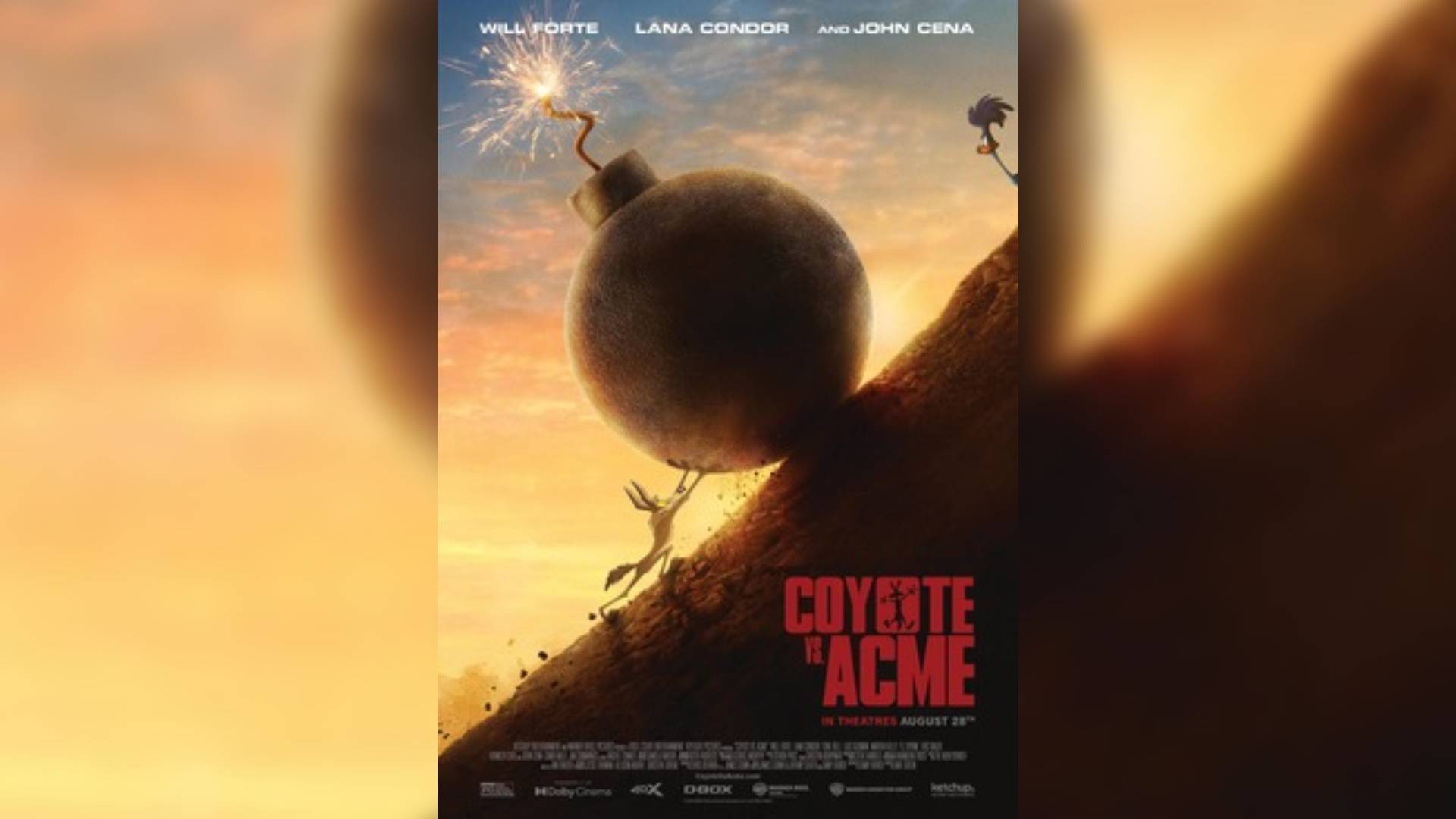
 Image: Looney Tunes characters by Warner Bros. Animation (Wikipedia)
Author: VANAS
Coyote vs Acme Animation: The Story Behind the Looney Tunes Revival
Table of Contents
- What Is Coyote vs Acme Animation?
- The Origins of the Studio
- Bringing Looney Tunes Back to Television
- The Animation Style and Production
- Key Shows and Characters
- The Legacy of the Revival
- Frequently Asked Questions
Coyote vs Acme Animation is the production company behind the modern revival of Looney Tunes cartoons. Founded in 2001 by Tom Minton, the studio specializes in reviving classic Warner Bros. characters for new audiences while preserving the spirit of the original theatrical shorts. The name itself is a playful nod to the Looney Tunes universe, combining "Coyote" from the Road Runner cartoons and "Acme" from the fictional company that supplies Wile E. Coyote's gadgets.
The studio's most notable work is Looney Tunes Cartoons, which premiered on HBO Max in 2020. This series marked the return of classic characters like Bugs Bunny, Daffy Duck, Tweety, and Sylvester to weekly television after years of reruns and spin-offs. Unlike previous revivals, Coyote vs Acme's approach focused on returning to the original theatrical style, with hand-drawn animation, classic character designs, and the iconic musical score by Carl Stalling and Milt Franklyn recreated for modern audiences.
If you're curious about how this studio came to be, what makes their Looney Tunes revival special, or how classic animation techniques are kept alive today, this guide covers the full story. Whether you're a longtime fan of the characters or interested in the business and craft of animation revival, you'll find practical insights into the studio's history, production methods, and impact on the industry.
What Is Coyote vs Acme Animation?
Coyote vs Acme Animation is an American animation studio based in Burbank, California. It was founded by Tom Minton, a veteran animator and director who worked on numerous Warner Bros. projects throughout his career. Minton's deep understanding of the Looney Tunes style made him an ideal choice to lead a revival of the classic characters.
The studio operates as a production company that develops, produces, and directs animated content. While it has worked on various projects, its identity is closely tied to the Looney Tunes franchise. The company's philosophy centers on respecting the source material while adapting it for contemporary viewers, balancing nostalgia with fresh storytelling.
The Name
The studio's name is a deliberate homage to the Looney Tunes world. "Coyote" references Wile E. Coyote, the persistent antagonist of the Road Runner series, while "Acme" refers to the Acme Corporation, the fictional supplier of the Coyote's elaborate and often disastrous gadgets. Together, the name evokes the humor and chaos that define the Looney Tunes legacy.
The Origins of the Studio
Tom Minton began his career in animation during the 1980s, working on projects that kept classic Warner Bros. characters alive. He contributed to shows like Tiny Toon Adventures and Animaniacs, which introduced a new generation to Looney Tunes characters through original stories. His experience with these revivals gave him insight into how to honor the original characters while making them relevant to modern audiences.
In 2001, Minton founded Coyote vs Acme Animation with the goal of creating new content that respected the classic style. Over the years, the studio worked on various television projects, building a reputation for quality animation and faithful character portrayals. The breakthrough came with the opportunity to lead the Looney Tunes Cartoons revival, which allowed Minton and his team to fully realize their vision.
Building the Team
A key factor in the studio's success was assembling a team of animators who understood the Looney Tunes style. Many team members had backgrounds in traditional hand-drawn animation and studied the original theatrical shorts to replicate the timing, squash-and-stretch principles, and expressive character acting that defined the classics. This commitment to craft is what sets the revival apart from other modern animated series.
Bringing Looney Tunes Back to Television
The road to Looney Tunes Cartoons was not straightforward. After the original theatrical run ended in the 1960s, Looney Tunes characters appeared primarily in television reruns, direct-to-video films, and spin-off series. Each revival took a different approach, and by the 2010s, the characters had become associated with lower-budget productions that drifted from the original style.
Warner Bros. Animation recognized the need to return to the characters' roots. The decision to commission Coyote vs Acme Animation was driven by Tom Minton's proven track record and his vision for a faithful revival. The goal was to create shorts that felt like they could have been released in the 1940s or 1950s, with the same energy, humor, and visual quality.
Production began in 2018, with the first episodes released on HBO Max in May 2020. The series was structured as a collection of short cartoons, each running about five to seven minutes, mirroring the format of the original theatrical shorts. This format allowed for tight, joke-driven storytelling without the padding of longer episodes.
The Animation Style and Production
Coyote vs Acme's approach to animation was deliberately retro. The studio used traditional hand-drawn techniques, with animators drawing each frame by hand on digital tablets. While the tools are modern, the principles remain the same as those used in the Golden Age of Animation: exaggerated expressions, fluid motion, and careful attention to timing.
The character designs were based on the original models created by animators like Bob Clampett, Chuck Jones, and Friz Freleng. Rather than updating the characters for a modern aesthetic, the revival kept the classic looks that audiences recognize and love. Backgrounds were painted in a style reminiscent of the mid-20th century, with rich colors and detailed environments.
Music played a crucial role in the revival. The series features new compositions that echo the styles of Carl Stalling and Milt Franklyn, the composers who defined the sound of the original shorts. The music is synchronized with the action to enhance the comedic timing, just as in the classics.
Key Shows and Characters
Looney Tunes Cartoons is the flagship series of Coyote vs Acme Animation. It features a wide range of classic characters, including:
- Bugs Bunny: The clever rabbit who outwits his opponents with wit and charm.
- Daffy Duck: The manic and competitive duck, often the victim of his own greed.
- Wile E. Coyote and the Road Runner: The eternal chase between the hungry coyote and the speedy bird.
- Tweety and Sylvester: The small canary and his feline pursuer, in endless cat-and-mouse games.
- Porky Pig: The stuttering pig who delivered the classic "Th-th-th-that's all, folks!"
- Marvin the Martian: The intergalactic villain bent on destroying Earth.
Each character is brought to life with the same personality and mannerisms established in the original shorts, ensuring continuity with the franchise's history.
The Legacy of the Revival
The revival has been well-received by fans and critics alike. It demonstrated that classic characters could be revitalized without losing their essence, and it introduced Looney Tunes to a new generation of viewers. The series has also inspired merchandise, theme park appearances, and further animated projects featuring the characters.
For the animation industry, the revival serves as a reminder that traditional hand-drawn animation still has a place in modern media. It shows that audiences respond to quality craftsmanship and that nostalgia, when handled with respect, can produce compelling content.
For aspiring animators, studying Coyote vs Acme's work offers insight into how to approach revival projects. The studio's commitment to the original style while delivering fresh stories is a model for anyone interested in working with established franchises.
Where to Watch
Looney Tunes Cartoons is available on Max (formerly HBO Max) in most regions. The series is also available for purchase on digital platforms such as Amazon Prime Video, Apple TV, and Google Play. Classic theatrical shorts can be found on various streaming services and physical media collections.
Because licensing varies by region, check your local availability before choosing a platform. Warner Bros. also releases compilation DVDs and Blu-rays featuring both classic and new shorts.
Frequently Asked Questions
Who founded Coyote vs Acme Animation?
The studio was founded in 2001 by Tom Minton, a veteran animator and director known for his work on Warner Bros. projects.
What is Coyote vs Acme Animation best known for?
The studio is best known for producing Looney Tunes Cartoons, the modern revival of the classic Warner Bros. characters.
Why is the studio named Coyote vs Acme?
The name is a homage to the Looney Tunes universe, combining Wile E. Coyote and the Acme Corporation from the Road Runner cartoons.
How many episodes of Looney Tunes Cartoons are there?
The series has produced multiple seasons with dozens of short cartoons, continuing to add new episodes as of recent years.
Is Looney Tunes Cartoons hand-drawn?
Yes. The series uses traditional hand-drawn animation techniques, with animators drawing each frame by hand to replicate the classic style.
Can children watch Looney Tunes Cartoons?
Yes. The series is designed for family audiences, though some slapstick violence is present, consistent with the original shorts.
Conclusion
Coyote vs Acme Animation has played a vital role in keeping the Looney Tunes legacy alive. By combining respect for the original material with fresh storytelling and high-quality animation, the studio has created a revival that honors the past while appealing to modern audiences. The story of the studio is a testament to the enduring appeal of classic characters and the craft of traditional animation.
If the world of animation inspires you to pursue a creative career, VANAS Online Animation School offers Animation, Visual Effects, and Video Game programs designed to help you build the skills needed for the industry. Visit www.vanas.ca to learn more about our programs and how we can support your creative journey.